PureGuard Environmental · Mobile, AL
Laboratory testing that identifies whether dark growth is Stachybotrys or another mold — and how much of it is in the air.
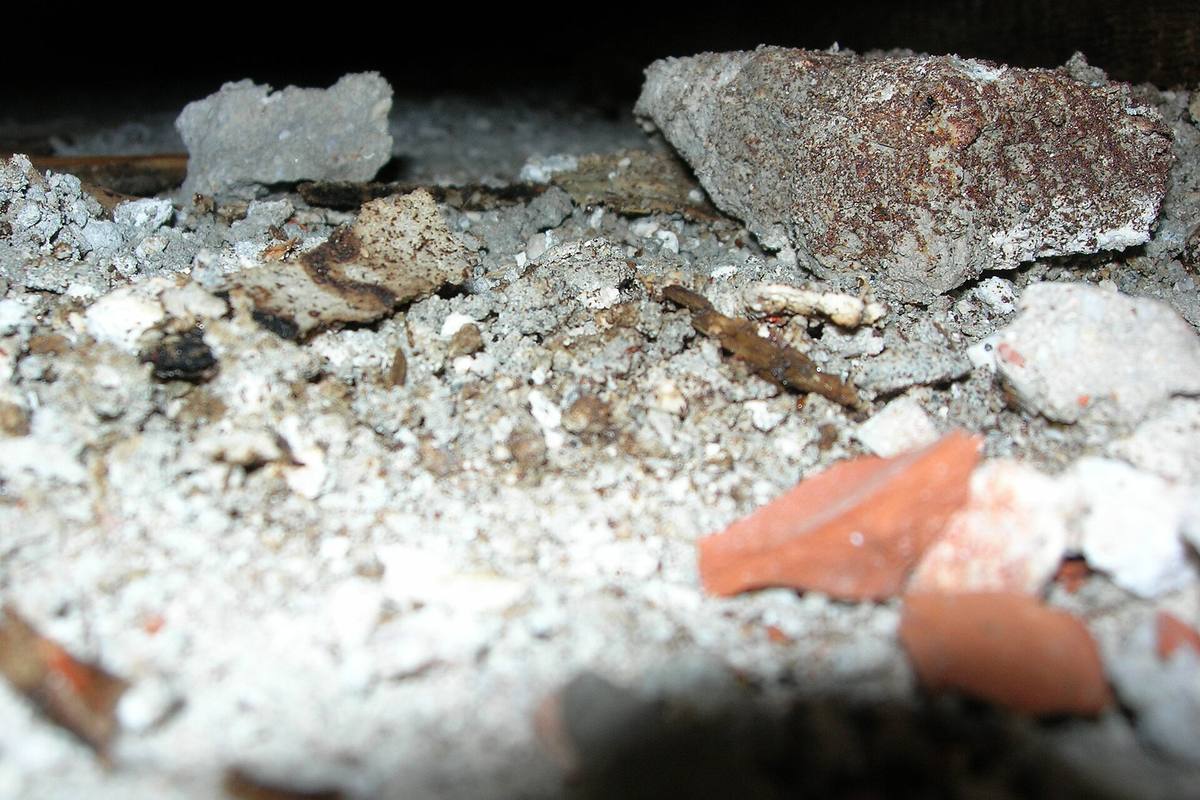
“Black mold” is what most people call any dark mold growth, and it is the kind that worries people most. The mold most often meant by the name is Stachybotrys, which grows on very wet cellulose materials — drywall, wood, paper — that have stayed wet for a long time.
You cannot identify a mold by looking at it. Several types look dark, and only a laboratory can say which one is growing on your wall — and whether its spores are in the air you breathe. Black mold testing collects surface samples from the visible growth and, where needed, air samples from the room, with an outdoor baseline for comparison.
The inspector documents where the growth is and what moisture is feeding it.
Surface swabs or tape lifts from the growth, and air samples where needed, with an outdoor baseline.
Samples are identified and counted in an independent lab.
You get the results explained — what was found and what to do next.
Call and we will connect you with a local mold testing provider in Mobile.
(925) 230-5137Protect Your Home – Contact Us Today
Downtown Mobile, Midtown Mobile, Spring Hill, Old Dauphin Way, Oakleigh Garden District — and 36 more areas across Mobile, AL. See all areas →
Questions, Answered
Some molds can affect indoor air quality and trigger allergy-type symptoms in sensitive people. The important thing is not to guess from the color — only testing identifies the type, and the moisture source has to be fixed whatever it is.
Small surface mold on a hard, non-porous surface can sometimes be cleaned, but growth across a large area, inside drywall or after a flood needs professional handling — and the water source must be fixed first or it will return.
By testing. A surface sample or air sample is examined in a laboratory, which identifies the mold type. Color alone does not identify it — several mold types look dark.
A stain, a smell, a water bill that jumped — any of them is a good reason to look. Schedule an inspection and get a written report that says what is growing, why it is growing, and what it will take to fix it.
Protect Your Home – Contact Us Today(925) 230-5137
